
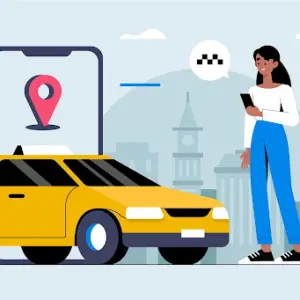
In the past, hailing a taxi meant waiting on the street in the hopes of catching one. This was often a difficult and time-consuming task. However, with the advent of taxi apps, this process has become easier. Now, passengers can order a ride, track the location of the driver, and make cashless payments – all within the app.
Together with the plinko casino team, we will look at the impact of these mobile apps on the transportation industry.
The Traditional Taxi Industry Before Mobile Apps
Before the arrival of mobile apps, the traditional taxi industry operated on a model that relied heavily on street hailing and dispatch systems. Passengers would often find themselves anxiously waiting for a cab to pass by or calling a dispatch service, hoping they would arrive promptly. This system was not only inefficient but could also be frustrating for those needing immediate transportation.
In many urban areas, the waiting times could stretch to considerable lengths, especially during peak hours or adverse weather conditions. Taxi drivers would circle blocks in search of potential fares, leading to increased traffic congestion and environmental concerns. The lack of a streamlined communication system meant that passengers often had no way of knowing how long they would have to wait.
Additionally, payment methods in the traditional taxi industry were primarily cash-based, which posed its own set of challenges. Passengers were required to have cash on hand, and drivers often had to deal with issues related to change. This lack of options made the experience less convenient and often led to disputes over fares. As a result, the traditional taxi industry was ripe for disruption, waiting for an innovative solution to modernize the commuting experience.
The Emergence of Mobile Apps in the Taxi Industry
The emergence of mobile apps has fundamentally altered the landscape of taxi services. With the launch of ride-hailing applications, passengers were suddenly provided with a convenient alternative to traditional taxis. These apps allow users to request rides with just a few taps on their smartphones, eliminating the need for street hailing or lengthy phone calls to dispatch services.
Companies like Uber, Lyft, and Grab pioneered this shift, leveraging GPS technology to connect passengers with nearby drivers. The apps provide real-time tracking, allowing users to see their driver’s location and estimated time of arrival. This transparency has gone a long way in alleviating the frustrations associated with traditional taxi services.
Furthermore, mobile apps have introduced a level of convenience that was previously unimaginable. Users can save their payment information for cashless transactions, receive fare estimates before confirming a ride, and even rate their driver after the trip. This user-centric approach has not only enhanced the overall experience but has also encouraged accountability among drivers. The combination of technology and user experience has made ride-hailing apps a preferred choice for many commuters around the world.
Benefits of Using Mobile Apps for Transportation
The benefits of using mobile apps for transportation are numerous and varied, impacting both passengers and drivers alike. For passengers, the most significant advantage is the convenience of booking rides from anywhere at any time. Whether you’re at home, work, or out with friends, the ability to hail a ride instantly has changed the way we think about transportation.
Moreover, mobile apps have made it easier to compare prices and services. Passengers can choose from a range of options, including different types of vehicles and pricing tiers. This flexibility allows users to select a ride that best suits their needs and budget. The transparency in pricing also helps to build trust, as passengers can see the cost upfront before confirming their ride.
For drivers, mobile apps have opened up new avenues for income generation. Many individuals are now able to work as ride-share drivers, providing them with the opportunity to earn money on their own terms. The flexibility to set their own schedules has attracted a diverse range of drivers, from students to retirees looking for supplemental income. Additionally, the free app’s rating system encourages drivers to provide high-quality service, fostering a competitive environment that ultimately benefits passengers.
Popular Ride-Hailing Apps and Their Impact on the Industry
Several ride-hailing apps have emerged as leaders in the industry, each making a distinct impact on the transportation landscape. Uber, founded in 2009, quickly became synonymous with ride-hailing. Its innovative approach not only revolutionized the way passengers book rides but also set the standard for other apps in the market. Uber’s expansion into various regions has reshaped urban mobility, providing services like Uber Pool, which allows multiple passengers to share a ride at a lower cost.
Lyft, another major player in the ride-hailing space, has differentiated itself through a focus on community and social responsibility. The company emphasizes positive driver-passenger interactions, and its pink mustache branding has become iconic. Lyft’s emphasis on safety and inclusivity has resonated with many users, contributing to its growth and popularity.
Meanwhile, Grab has made significant strides in Southeast Asia, adapting its services to meet the unique needs of the region. Beyond ride-hailing, Grab has expanded into food delivery and digital payments, creating an all-in-one platform for its users. These apps have not only transformed transportation options but have also influenced urban planning and public transportation policies, as cities begin to adapt to the increasing popularity of ride-hailing services.
Challenges Faced by the Traditional Taxi Industry
The rise of mobile apps has posed significant challenges to the traditional taxi industry. As ride-hailing services gained popularity, many traditional taxi companies found themselves struggling to compete. The convenience and efficiency offered by mobile apps have shifted consumer preferences, leading to a decline in demand for traditional taxis.
One of the most pressing challenges is the perception of value. Passengers are often drawn to the lower fares and added convenience of ride-hailing apps, which can undercut the pricing models of traditional taxi services. Many taxi companies have been forced to reconsider their pricing structures and service offerings to remain competitive in an increasingly crowded market.
Additionally, the traditional taxi industry has faced criticism regarding its regulatory practices and driver treatment. Many taxi drivers are employees of established companies, which can limit their flexibility and earning potential compared to ride-share drivers who enjoy greater autonomy. This has led to calls for reform and modernization within the taxi industry, prompting many companies to explore new technologies and business models to adapt to the changing landscape.
Regulation and Legal Issues Surrounding Mobile App-Based Transportation
As mobile app-based transportation has flourished, so too have the regulatory and legal challenges associated with it. Governments around the world have grappled with how to regulate ride-hailing services to ensure passenger safety, fair competition, and the protection of traditional taxi drivers. This has led to a patchwork of laws and regulations that vary significantly from one region to another.
In many areas, ride-hailing companies have faced legal hurdles related to licensing, insurance, and safety standards. Some jurisdictions have implemented regulations requiring ride-share drivers to undergo background checks or maintain specific insurance coverage. These measures aim to ensure that passengers feel safe while using these services, but they can also create friction between ride-hailing companies and local governments.
Furthermore, traditional taxi companies have often lobbied for stricter regulations on ride-hailing services, arguing that they face unfair competition. This has led to ongoing debates about the need for a level playing field, where both sectors can coexist and thrive. As the industry continues to evolve, finding a balance between innovation and regulation will be crucial to the future of transportation.
The Future of the Taxi Industry with Mobile Apps
Looking ahead, the future of the taxi industry appears to be inextricably linked to the continued evolution of mobile apps. As technology advances, we can expect to see even more innovations that will further enhance the commuting experience. Features such as in-app navigation improvements, enhanced safety measures, and integration with public transportation systems are already being explored.
The rise of electric vehicles (EVs) is another significant trend that is likely to shape the future of ride-hailing services. Many companies are beginning to incorporate EVs into their fleets, reducing their carbon footprint and appealing to environmentally conscious consumers. As battery technology improves and charging infrastructure expands, we can anticipate a shift towards more sustainable transportation options within the ride-hailing sector.
Furthermore, the integration of artificial intelligence and machine learning could revolutionize how rides are dispatched and optimized. Predictive analytics may help companies anticipate demand and adjust driver availability accordingly. This could lead to shorter wait times for passengers and increased efficiency for drivers. The potential for further technological advancements in the ride-hailing industry is immense, and it will be fascinating to witness how these developments unfold over the coming years.
The Impact of Mobile Apps on Other Industries
While the impact of mobile apps on the taxi industry is profound, their influence extends far beyond transportation. The rise of ride-hailing apps has inspired similar innovations across various sectors, transforming how we access services in our daily lives. For example, the food delivery industry has seen tremendous growth with the introduction of apps like DoorDash and Postmates, which allow users to order meals from their favorite restaurants with ease.
Additionally, mobile apps have revolutionized the hospitality industry through platforms like Airbnb, which connects travelers with hosts offering unique accommodations. This shift has disrupted traditional hotel models and created new opportunities for individuals to monetize their spaces. The gig economy, characterized by flexible, on-demand work through mobile platforms, has also gained traction, with companies like TaskRabbit and Upwork facilitating various freelance services.
These changes reflect a broader trend toward convenience, accessibility, and personalization in consumer services. As mobile technology continues to advance, we can expect to see even more industries embracing app-based solutions to meet evolving consumer demands. The taxi industry serves as a prime example of how innovation can drive transformation and create new opportunities for both service providers and consumers.
Conclusion
The revolution of taxi services through mobile applications has undeniably transformed the transportation industry. The shift from traditional street-hailing methods to app-based ride-hailing has improved convenience, efficiency, and accessibility for passengers. Drivers have benefitted from increased earning potential and flexibility, creating new opportunities within the gig economy.
However, the challenges faced by the traditional taxi industry, regulatory hurdles, and the need for a balanced approach to innovation and regulation remain significant considerations. As we look to the future, the continued evolution of mobile apps will play a crucial role in shaping the transportation landscape.
Ultimately, the impact of these innovations extends beyond the taxi industry, influencing various sectors and changing the way we access services in our daily lives. As technology continues to advance, we can only anticipate further exciting developments that will redefine the way we move around our cities and beyond.